Cities put heads together to drive Universal Access and Public Transport Systems
02 February 2026
Last week, the City of Cape Town’s Transport Planning and Network Management Department hosted the National Department of Transport’s Universal Design and Access Planning Workshop (UDAP). Established in 2010, the workshop brings together the Department of Transport, leading field experts and senior municipal transport officials to accelerate the implementation of Universal Access standards and advance inclusive public transport systems. The gathering marks a decisive step towards ensuring that well-established policy translates into a lived, everyday reality for all.
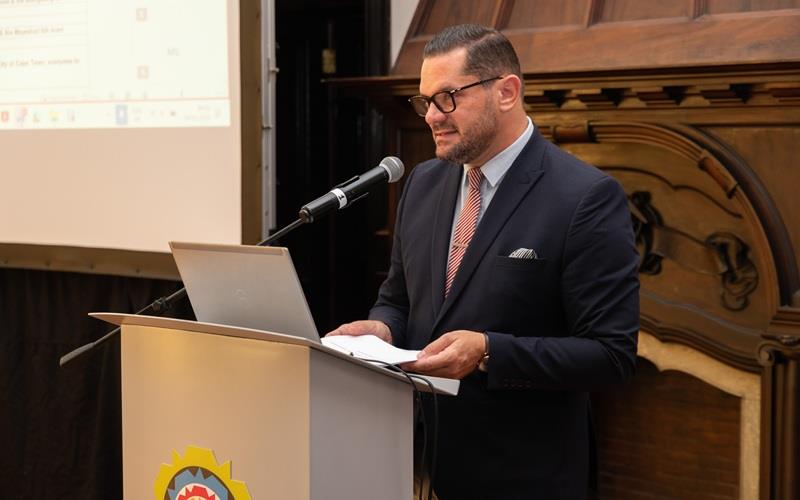
'The City of Cape Town extends its gratitude to the National Department of Transport for their vital role in ensuring accountability and driving progress toward universal access and inclusive public transport systems. It was an honour for us to host this year's Universal Design and Access Planning (UDAP) workshop. The City has long been committed to embedding Universal Access into our projects, and we continue to ensure that inclusive design is integral to every initiative we undertake, not an afterthought,' said the City of Cape Town's Urban Mobility Executive Director, Regan Melody, who also challenged stakeholders to move beyond reports and deliver impact.
The first two days of the workshop featured presentations from Nelson Mandela Bay Municipality, which shared insights from its Integrated Public Transport System, followed by George Municipality, which showcased its scheduled public bus service, Go George. Mangaung, Msunduzi, the City of Cape Town, Tshwane, and Ekurhuleni also presented their respective successes, challenges, and future plans in advancing Universal Access within their transport networks.
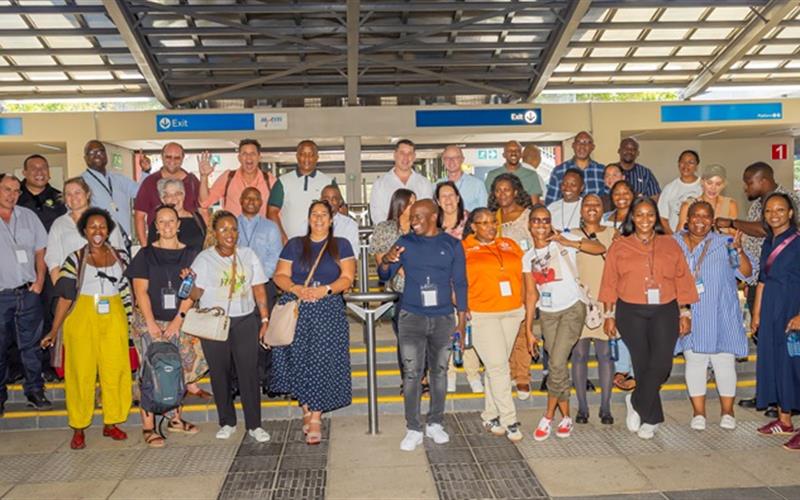
Delegates also participated in a site visit through the Cape Town CBD, highlighting the potential of retrofitting existing infrastructure to improve accessibility. To date, the City of Cape Town has implemented upgrades at 86 locations in the CBD, including widened sidewalks, improved ramp access, relocated signal poles and signage, dropped kerbs, extended kerb build-outs at intersections and other accessibility enhancements.
The closing day included further presentations and a panel discussion featuring the Western Cape Network on Disability (WCND), followed by a Universal Access rail presentation by the Passenger Rail Agency of South Africa (PRASA). The workshop concluded with presentations from Rustenburg Municipality and Polokwane Municipality.
'It was a privilege to host technical experts, various Universal Access stakeholders and municipal leaders from our fellow Integrated Public Transport Network (IPTN) cities, including Nelson Mandela Bay, George, Mangaung, Msunduzi, Tshwane, Ekurhuleni, eThekwini, Rustenburg and Polokwane. The collective participation at this year’s UDAP reflects the growing strength of ongoing intergovernmental collaboration in this sector. It underscores the shared commitment to seeing truly inclusive and universally accessible public transport services delivered in these metros. I look forward to seeing this delegation return to Cape Town once our MyCiTi Phase 2A bus service is fully operational in a couple of years’ time, to experience firsthand how Universal Access has been the guiding principle shaping corridor design, station placement, pedestrian access routes and integration with surrounding neighbourhoods,' said the City of Cape Town's Mayoral Committee Member for Urban Mobility, Councillor Rob Quintas.
In 2021, the Department of Transport released the White Paper on National Transport Policy, recognising that people with disabilities face many barriers when using transport. The types of transport most often used by people with disabilities include trains, buses, minibus taxis and walking or cycling. These forms of transport are covered by the National Land Transport Act, No. 5 of 2009 (NLTA).
‘The Department issued minimum requirements for comprehensive integrated transport plans, Government Gazette 70174, so that municipalities and provinces plan public transport that is universally accessible, including getting to and from work and other day-to-day activities. Cities report annually on the implementation of their Universal Design Access Plan and the Minister has signed an Action Plan for Universally Accessible Transport, which charts that way for all transport, regardless of mode, to become universally accessible by 2035. The oversight for the Action Plan is provided by the Integrated Transport Planning Branch, which reports to EXCO. Problems with transport regulation are identified through these processes,’ said the Minister of Transport, Barbara Creecy.
Images from the UDAP workshop and CBD tour are available here.
Published by:
City of Cape Town, Media Office